Vestibular Rehabilitation

Vestibular Rehabilitation

Vestibular rehabilitation is a specialized form of physical therapy designed to address disorders and issues related to the vestibular system, which plays a crucial role in balance and spatial orientation. The vestibular system, located in the inner ear, helps coordinate eye movements and head position to maintain balance and stabilize vision during movement.

Individuals who experience problems with their vestibular system may suffer from conditions such as vertigo, dizziness, imbalance, and difficulty with coordination. Vestibular rehabilitation involves a series of exercises and activities that aim to promote adaptation and compensation for vestibular deficits. These exercises may include head and eye movements, balance training, and coordination exercises tailored to the specific needs and challenges of the individual.

The goal is to enhance the patient's ability to maintain balance, reduce symptoms of dizziness or vertigo, and improve overall quality of life. This form of therapy is typically administered by physical therapists with expertise in vestibular rehabilitation.

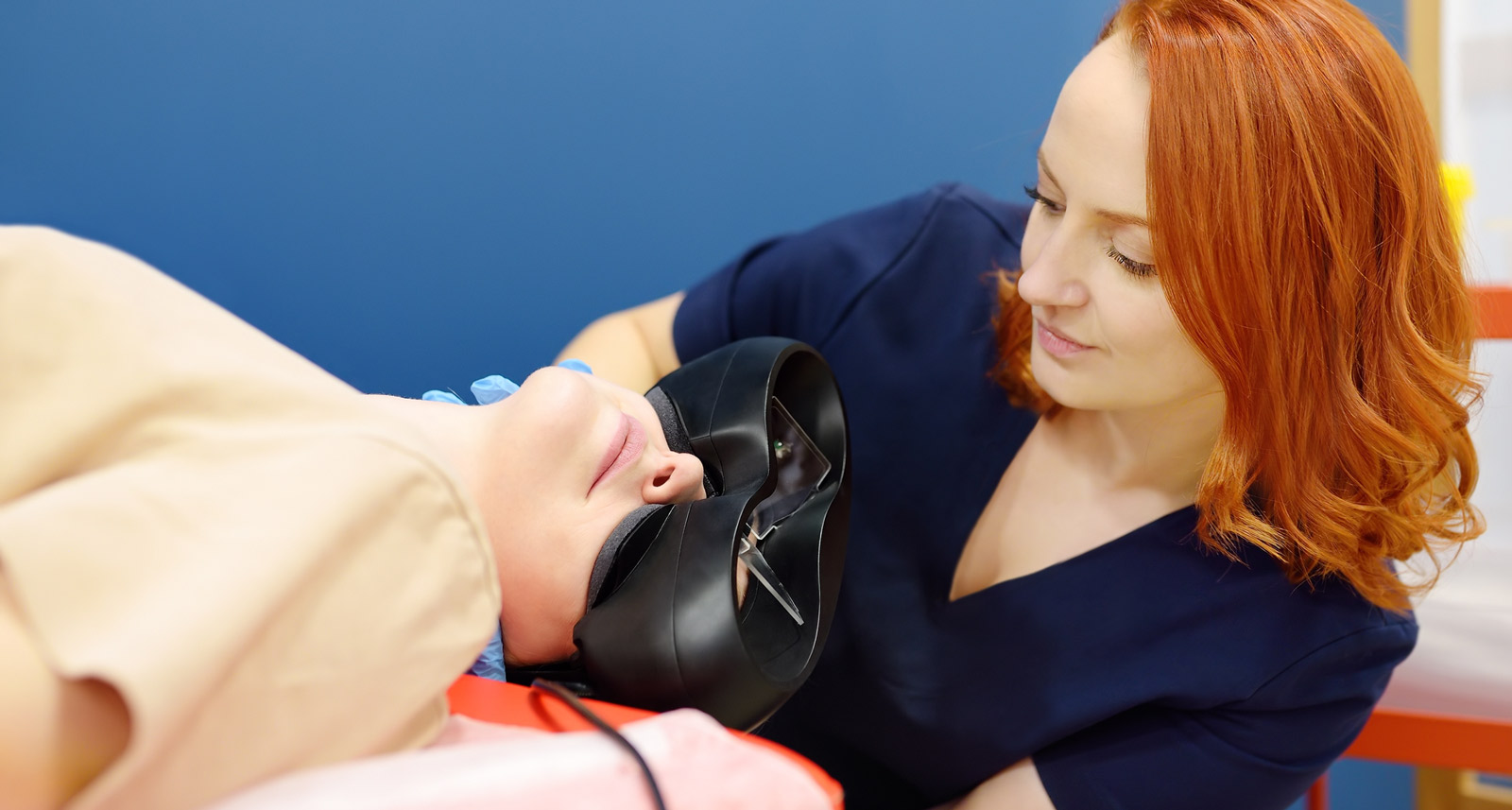
Vestibular rehabilitation is a specialized form of physical therapy designed to address problems related to the vestibular system, which plays a crucial role in balance, spatial orientation, and coordination. The vestibular system includes the inner ear and its connections to the brain. Vestibular rehabilitation aims to alleviate symptoms and improve function in individuals with vestibular disorders. Here are key points about vestibular rehabilitation:

Vestibular System

The vestibular system contributes to the sense of balance and spatial orientation. It includes structures in the inner ear, such as the semicircular canals and otolith organs, which detect head movements and changes in head position.

Conditions Treated

Vestibular rehabilitation is often used to manage symptoms associated with various vestibular disorders, including:
Benign Paroxysmal Positional Vertigo (BPPV): Brief episodes of vertigo triggered by specific head movements.
Vestibular Neuritis: Inflammation of the vestibular nerve.
Labyrinthitis: Inflammation of the inner ear.
Meniere's Disease: A disorder of the inner ear characterized by episodes of vertigo, hearing loss, and tinnitus.

Assessment and Diagnosis

Before initiating vestibular rehabilitation, a thorough assessment is conducted to diagnose the specific vestibular disorder and identify the patient's symptoms, impairments, and functional limitations. This assessment may include a detailed history, balance testing, and eye movement evaluations.

Customized Exercise Programs

Vestibular rehabilitation programs are individually tailored to the patient's needs and may include exercises and activities to:

Improve Gaze Stability: Enhance the ability to maintain focus on an object while moving the head.
Promote Balance and Coordination: Exercises that challenge balance and coordination to improve overall stability.
Adaptation Exercises: Encourage the brain to adjust and compensate for vestibular deficits.
Habituation Exercises: These exercises involve exposing the patient to specific movements or positions that provoke symptoms in a controlled and systematic manner. Over time, the goal is to reduce sensitivity and decrease symptoms.

Home Exercise Programs

Patients are often given exercises to practice at home as part of their ongoing rehabilitation. Compliance with these home exercises is crucial for the success of vestibular rehabilitation.

Patient Education

Vestibular rehabilitation includes educating patients about their condition, teaching strategies to manage symptoms, and providing guidance on lifestyle modifications to minimize triggers.

Progress Monitoring

The effectiveness of vestibular rehabilitation is often assessed through periodic follow-up evaluations to track progress, make adjustments to the exercise program, and address any new concerns.

Physiotherapy and Rehabilitation services in Rimbey & Central Alberta community

Our Physiotherapist deliver personalized treatment programs for musculoskeletal injuries, chronic pain, post-surgical rehabilitation, motor vehicle accident recovery, and workplace-related conditions.