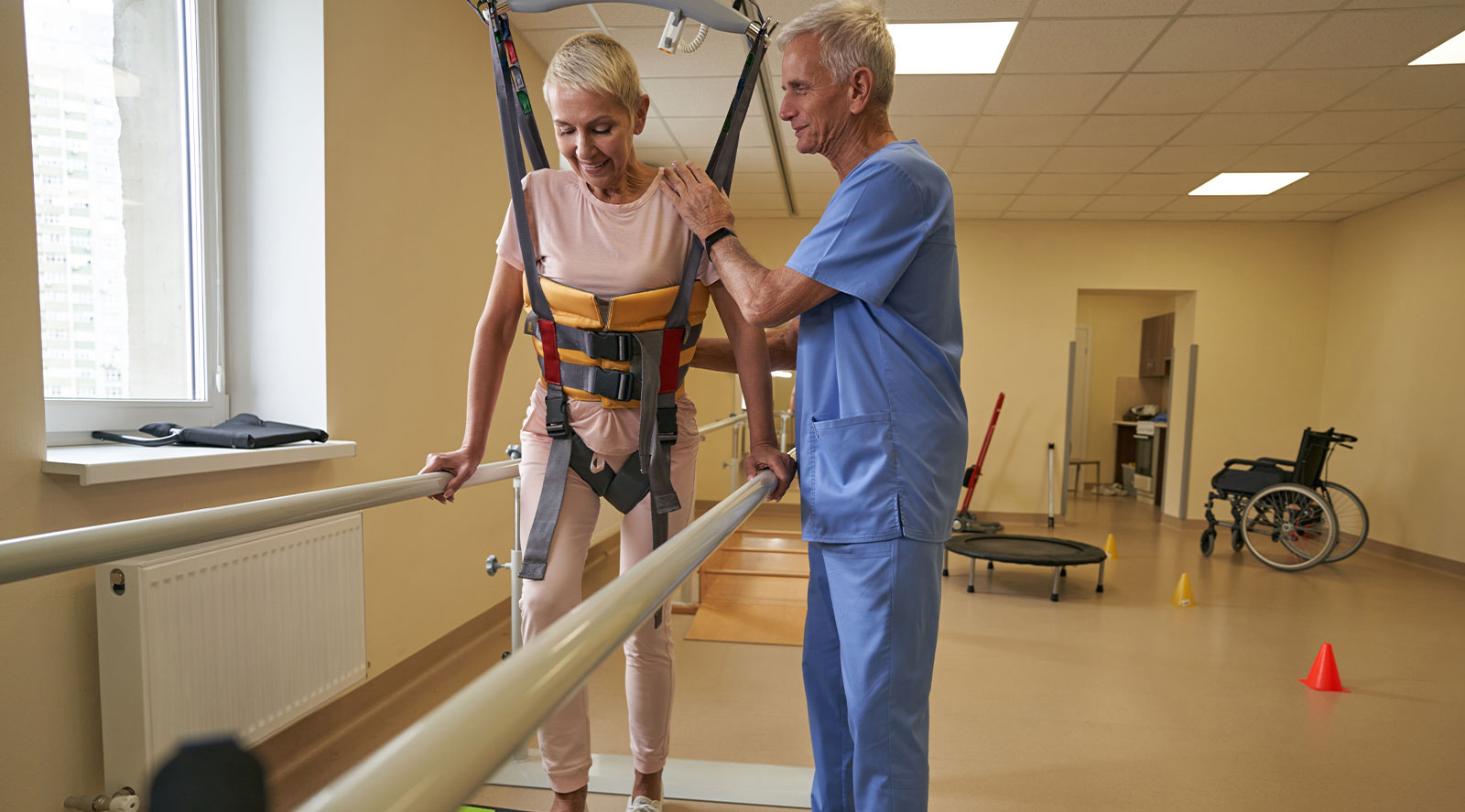
Physiotherapy plays a crucial role in neurological rehabilitation, addressing the physical and functional challenges faced by individuals with neurological conditions. Neurological rehabilitation aims to optimize the recovery and independence of individuals affected by conditions such as stroke, traumatic brain injury, spinal cord injury, multiple sclerosis, Parkinson's disease, and other neurological disorders.
The role of Physiotherapy in neurological rehabilitation is multidimensional, aiming not only to address physical impairments but also to enhance overall well-being and quality of life for individuals with neurological conditions.

Physiotherapists conduct thorough assessments to understand the impact of neurological conditions on the individual's movement, coordination, strength, and overall function.
They identify specific impairments and limitations to create a tailored rehabilitation plan.
Physiotherapy focuses on retraining and optimizing motor control and movement patterns affected by neurological conditions such as stroke, spinal cord injury, or traumatic brain injury.
Specific exercises and activities help individuals regain control over their movements and improve coordination.
Gait disturbances are common in neurological conditions. Physiotherapists work on improving walking patterns, balance, and coordination through targeted
Assistive devices and orthotics may be recommended to enhance stability and safety during walking.
Physiotherapy involves strength training to address muscle weakness, a common issue in neurological conditions.
Endurance exercises help individuals build stamina and improve their ability to engage in daily activities.
Balance deficits are often present in neurological disorders. Physiotherapists design exercises to enhance balance and coordination, reducing the risk of falls and improving overall stability.
Physiotherapists focus on improving functional abilities required for daily living, such as dressing, bathing, and getting in and out of bed.
Adaptive strategies and assistive devices are introduced to promote independence.
Physiotherapy includes techniques to manage spasticity, which is increased muscle tone common in conditions like cerebral palsy or multiple sclerosis.
Stretching exercises, positioning, and other modalities may be used to reduce spasticity and improve mobility.
In some neurological conditions, there may be sensory deficits. Physiotherapists employ sensory integration techniques to improve awareness and responsiveness to sensory stimuli.
Physiotherapy involves task-specific training, focusing on activities relevant to the individual's goals and daily life to enhance functional outcomes.
Physiotherapists educate patients and their caregivers about the nature of the neurological condition, the rehabilitation process, and strategies for managing challenges at home.
Physiotherapists work towards reintegrating individuals into their communities by addressing mobility issues, promoting social interaction, and enhancing community participation.
The role of physiotherapy in neurological rehabilitation is holistic, aiming not only to improve physical function but also to enhance overall well-being and participation in life activities. The interventions are individualized, taking into account the specific neurological condition, the stage of recovery, and the individual's goals.
Our Physiotherapist deliver personalized treatment programs for musculoskeletal injuries, chronic pain, post-surgical rehabilitation, motor vehicle accident recovery, and workplace-related conditions.
Next door to Corner Bistro, 4817 51 St unit A, Rimbey, AB T0C 2J0, Canada
©2025, Physiocare Rimbey All Rights Reserved.