Acupuncture vs. IMS vs. Dry Needling: What’s the Difference?
Acupuncture, Intramuscular Stimulation (IMS), and dry needling are commonly used to help manage muscle pain, stiffness, and movement-related discomfort. Although all three techniques use thin, sterile needles, they differ in their treatment approaches and clinical applications.
Understanding these differences can help you make informed decisions about your physiotherapy care.
1. Acupuncture
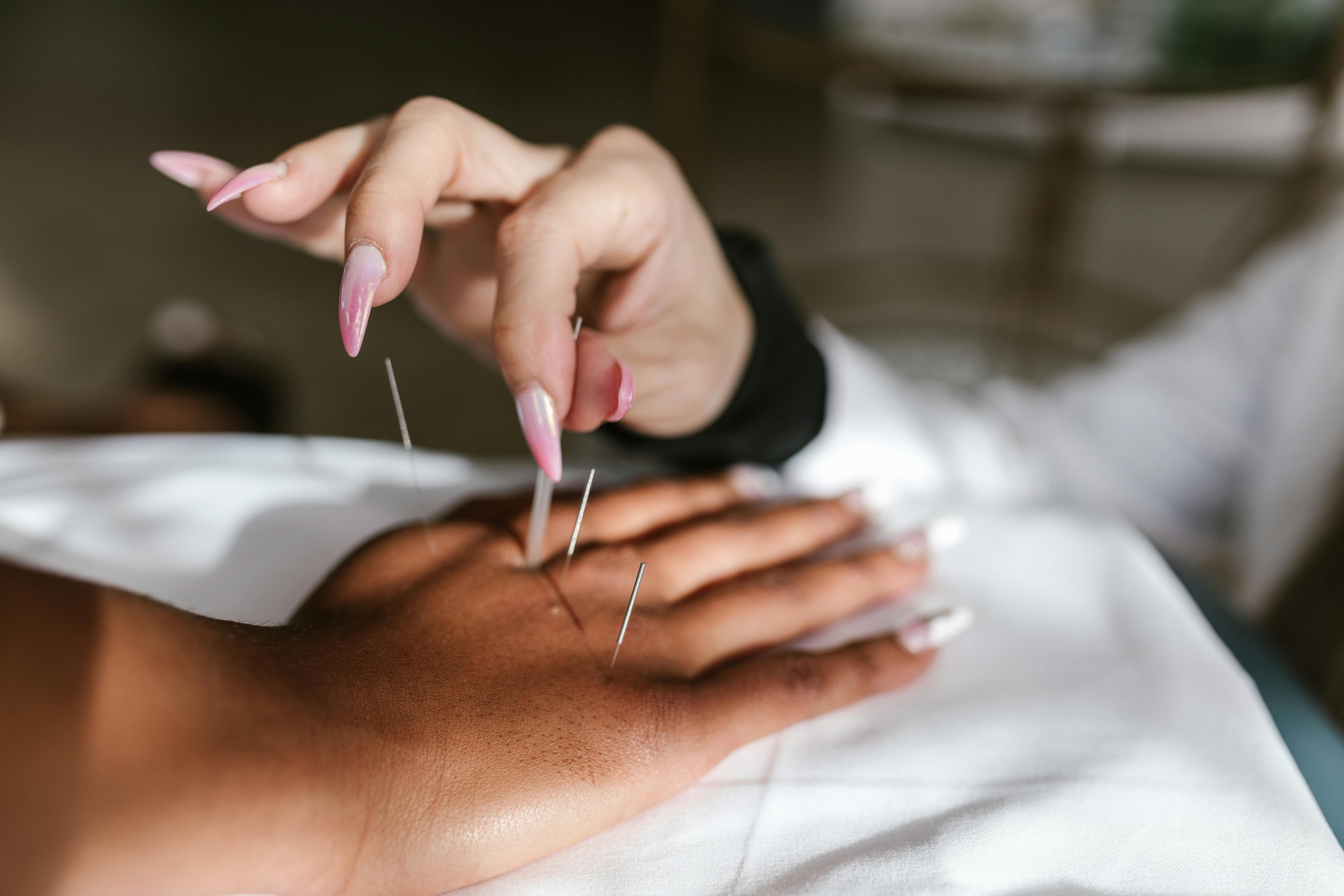
Acupuncture originated in Traditional Chinese Medicine and involves inserting fine needles into specific points on the body.
Potential benefits:
- Helps manage certain types of chronic pain
- May reduce neck and back pain
- May help with tension headaches and migraines
- Can support overall pain management
Acupuncture may influence the nervous system and how the body processes pain.
2. Dry Needling
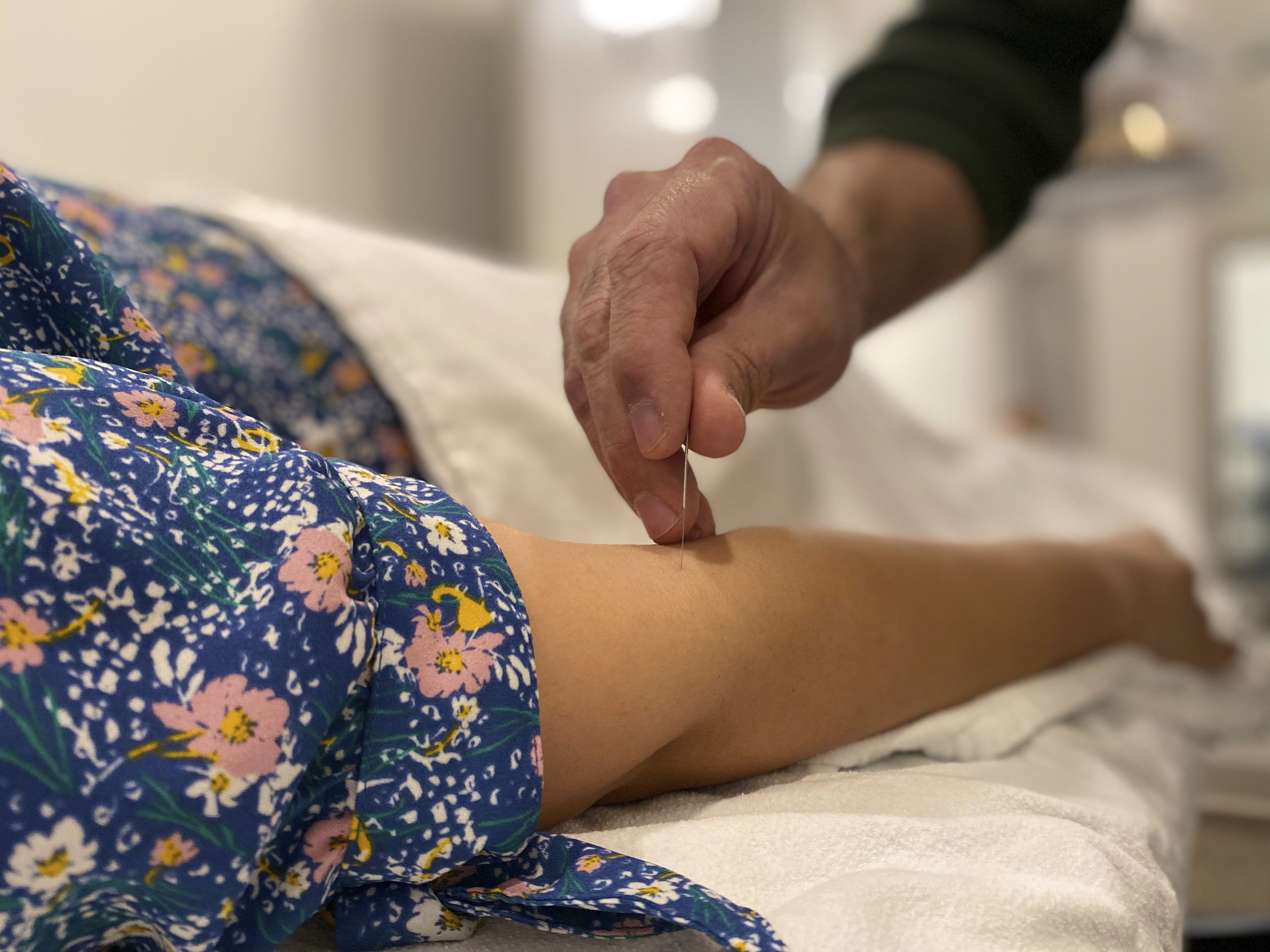
Dry needling is a technique used by trained healthcare professionals to target muscles and other tissues associated with musculoskeletal pain.
It is commonly used to address sensitive muscle areas known as myofascial trigger points.
Potential benefits:
- May reduce muscle pain and sensitivity
- May relieve muscle tightness
- May improve mobility and flexibility
- May improve comfort during rehabilitation exercises
Dry needling is often combined with manual therapy, stretching, and strengthening exercises.
3. Intramuscular Stimulation (IMS)
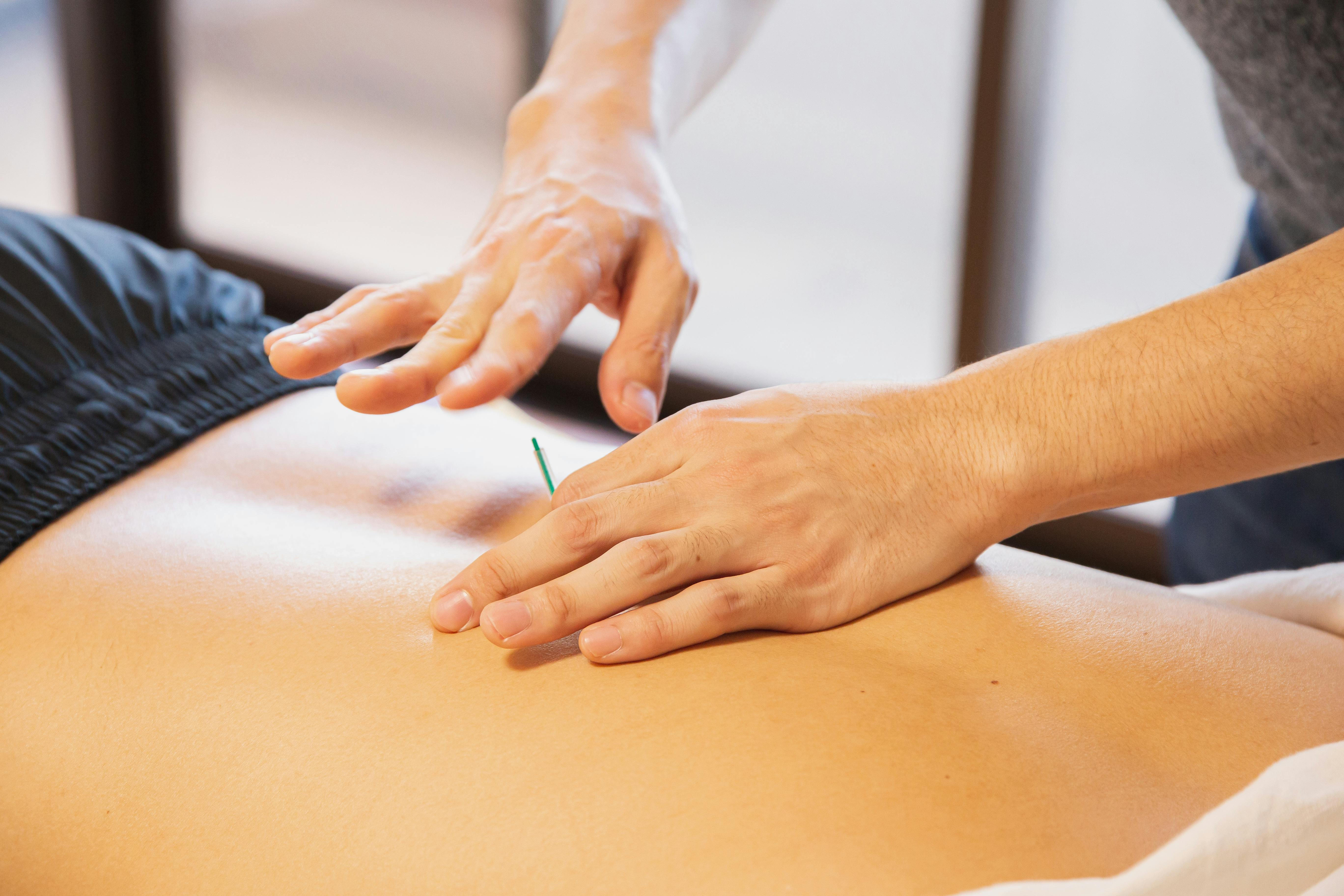
Gunn IMS, developed by Canadian physician Dr. Chan Gunn, is a specialized form of dry needling based on a neuromusculoskeletal assessment approach.
IMS uses fine needles to stimulate selected muscles and is commonly considered for persistent muscle-related pain and tightness.
Potential benefits:
- Helps manage persistent muscle pain
- May reduce muscle tightness and sensitivity
- May improve movement and functional mobility
- Can complement physiotherapy rehabilitation
Research specifically supporting Gunn IMS remains limited, and its effectiveness varies between individuals.
Key Differences at a Glance
| Acupuncture | Dry Needling | Gunn IMS |
|---|---|---|
| Based on traditional or biomedical acupuncture approaches | Based on musculoskeletal assessment | Based on Gunn’s neuropathic pain framework |
| Targets selected acupuncture points | Targets muscles and related tissues | Targets selected muscles |
| Commonly used for pain management | Commonly used for muscle-related pain | Often considered for persistent muscle-related pain |
Which Treatment Is Right for You?
Each technique has its own approach, but no single treatment is best for everyone.
Your physiotherapist will assess your symptoms, medical history, and movement limitations to determine the most appropriate treatment options.
Needling treatments may provide pain relief, particularly in the short term, but they are often most useful when combined with therapeutic exercises, manual therapy, and an individualized rehabilitation program.
References and Further Reading
- Vickers AJ, et al. (2018). Acupuncture for Chronic Pain: Update of an Individual Patient Data Meta-Analysis. The Journal of Pain, 19(5), 455–474.
- Dunning J, et al. (2014). Dry Needling: A Literature Review with Implications for Clinical Practice Guidelines. Physical Therapy Reviews, 19(4), 252–265.
- Liu L, et al. (2018). Evidence for Dry Needling in the Management of Myofascial Trigger Points Associated with Low Back Pain: A Systematic Review and Meta-Analysis. Archives of Physical Medicine and Rehabilitation, 99(1), 144–152.e2.
- Gunn CC. (1996). The Gunn Approach to the Treatment of Chronic Pain: Intramuscular Stimulation for Myofascial Pain of Radiculopathic Origin. Churchill Livingstone.
- World Health Organization. (2023). WHO Guidelines for the Management of Chronic Primary Low Back Pain in Adults in Primary and Community Care Settings.
Disclaimer & Editorial Disclosure
This article was prepared with the assistance of OpenAI and reviewed for accuracy by a Registered Physiotherapist prior to publication.
The information provided is intended for general educational purposes only and should not replace professional medical advice, diagnosis, or treatment.
If you are experiencing muscle pain, tightness, stiffness, or limitations in mobility and flexibility, we encourage you to consult a Registered Physiotherapist for a comprehensive assessment, appropriate clinical diagnosis, and individualized treatment plan.