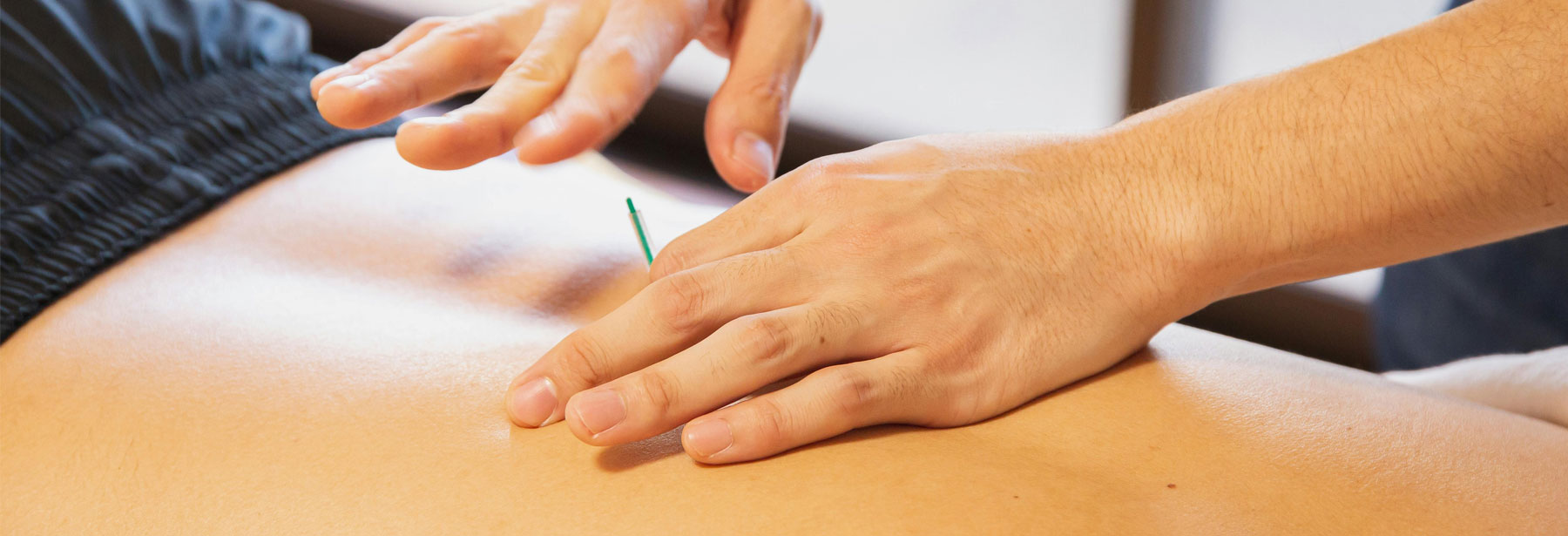
Dry needling is a therapeutic technique used by Physiotherapists to alleviate pain and improve muscle function. During dry needling, thin needles are inserted into specific points in muscles, tendons, or soft tissues, often targeting trigger points or tight bands of muscle. Unlike acupuncture, which is rooted in traditional Chinese medicine, dry needling is based on Western anatomical and neurophysiological principles.
The goal of dry needling is to stimulate the release of tension in muscles, promote blood flow, and reduce pain. The term "dry" refers to the use of needles without injecting any medication or substances. The procedure is typically part of a broader treatment plan for conditions like muscle pain, myofascial pain syndrome, and musculoskeletal disorders. Dry needling should be performed by qualified Physiotherapist with training in the technique to ensure safety and effectiveness.
Dry needling is a therapeutic technique used by the Physiotherapists that involves the insertion of thin, solid needles into specific points in the body, known as trigger points or myofascial trigger points, to alleviate pain and improve muscle function. Here are key points about dry needling:
In dry needling, thin needles, similar to acupuncture needles, are inserted into the skin and muscle tissue at targeted points. The term "dry" distinguishes it from "wet" needling, which involves injecting substances such as corticosteroids into the targeted areas.
Dry needling typically targets trigger points, which are tight bands or knots within muscles that can be a source of pain and dysfunction. The needling is aimed at releasing or deactivating these trigger points.
The exact mechanism of how dry needling works is not fully understood, but it is believed to have several effects, including:
Muscle Relaxation: Needling may lead to a reflex relaxation of the muscles being treated.
Pain Modulation: It may help modulate pain by affecting the nervous system and promoting the release of certain neurotransmitters.
Blood Flow: Needling can stimulate local blood flow, promoting healing and the removal of toxins.
Dry needling is often used as part of a comprehensive treatment plan for various musculoskeletal conditions, including:
Muscle Pain: It is commonly employed for the treatment of myofascial pain syndromes.
Tension Headaches: Dry needling may be used to address trigger points associated with tension headaches.
Chronic Pain Conditions: It is sometimes included in the management of chronic pain conditions.
Physiocare Rimbey offers a full spectrum of Physiotherapy and Rehabilitation services supported by advanced clinical expertise and evidence-based practice. To ensure a seamless patient experience, we provide direct billing to most extended health insurance providers.
Next door to Corner Bistro, 4817 51 St unit A, Rimbey, AB T0C 2J0, Canada
©2025, Physiocare Rimbey All Rights Reserved.