Peripheral Joint Mobilization

Peripheral Joint Mobilization/Manipulation

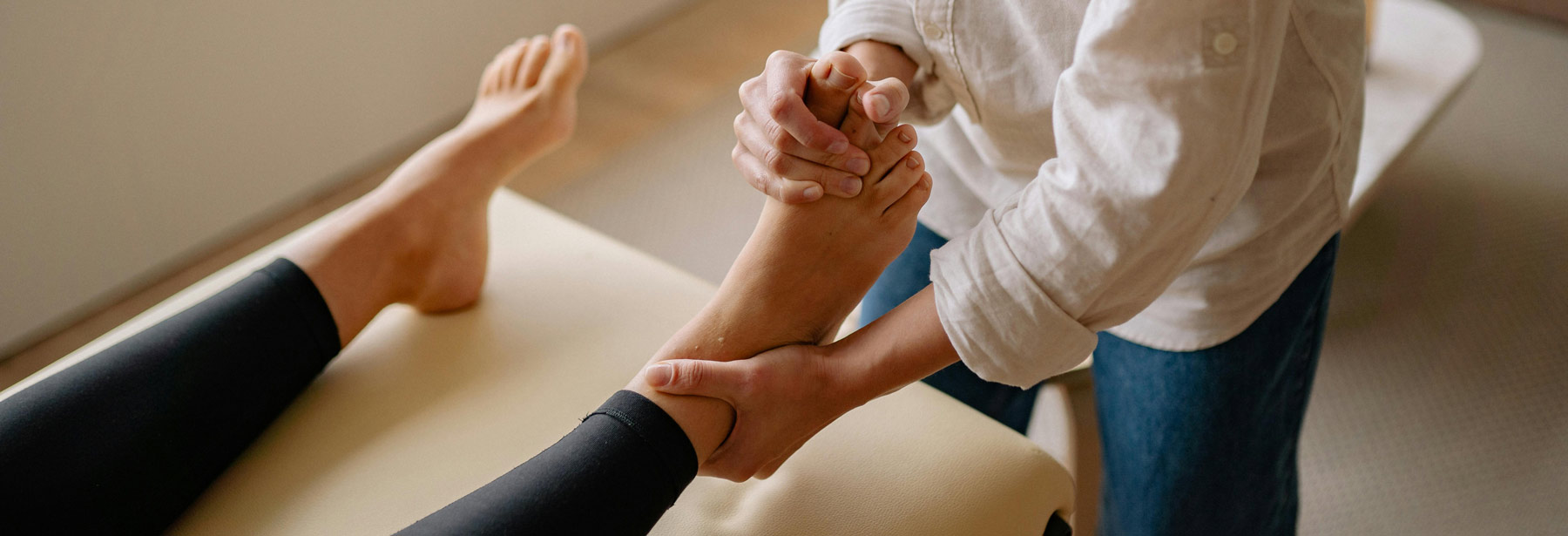
Peripheral joint mobilization is a manual therapy technique employed in physical therapy to improve joint function and reduce pain in the extremities. Unlike joint manipulation, mobilization involves slower, gentler movements within the natural range of motion. Practitioners use hands-on techniques to stretch and mobilize joints, aiming to enhance flexibility, reduce stiffness, and promote better joint alignment. This approach is often employed for conditions where a more conservative and controlled approach to joint manipulation is preferred, such as in cases of acute injuries or with patients who may be more sensitive to forceful techniques. Peripheral joint mobilization is typically part of a comprehensive rehabilitation plan tailored to individual patient needs.

Peripheral joint manipulation (PJM) is a manual therapy technique commonly used in the field of physical therapy. It involves the skilled and passive movement of a joint in the body, typically in the extremities (such as the shoulders, elbows, wrists, hips, knees, and ankles), to address joint dysfunction and improve range of motion. Here are some key points about peripheral joint manipulation:

Manual Therapy Technique:

Peripheral joint manipulation is a hands-on approach where a healthcare practitioner applies force or pressure to a specific joint to bring about a therapeutic effect.

Goals of Peripheral Joint Manipulation:

Restore Joint Mobility: The primary goal is to restore or enhance the normal range of motion in a joint that may be restricted or limited.
Reduce Pain : It is often used to alleviate pain associated with joint dysfunction or musculoskeletal conditions.
Improve Function: By addressing joint restrictions, peripheral joint manipulation aims to improve the overall function of the joint and the surrounding tissues.

Indications for Use:

Joint Stiffness: When a joint becomes stiff or loses its normal range of motion, manipulation may be used to restore flexibility.
Musculoskeletal Conditions: Peripheral joint manipulation is commonly applied in conditions such as osteoarthritis, sprains, strains, and other musculoskeletal disorders.
Sports Injuries: It is often used in the rehabilitation of sports-related injuries.

Physiotherapy and Rehabilitation services in Rimbey & Central Alberta community

Our Physiotherapist deliver personalized treatment programs for musculoskeletal injuries, chronic pain, post-surgical rehabilitation, motor vehicle accident recovery, and workplace-related conditions.